Floating in water is where my body feels suspended, almost weightless, and the effort of moving is so balanced and graceful as to seem effortless. That’s the feeling I try to keep with me when I’m moving through the world, and it’s the feeling I want my work to have – conscious of pain but transcending it.
My art is literally created by water, and imbued with its dynamics of movement, fluidity and flow.

Blue water, 14 x 18.5 in., oil paints and bronze powders on Fabriano paper, 1993
More about my Floating colors process
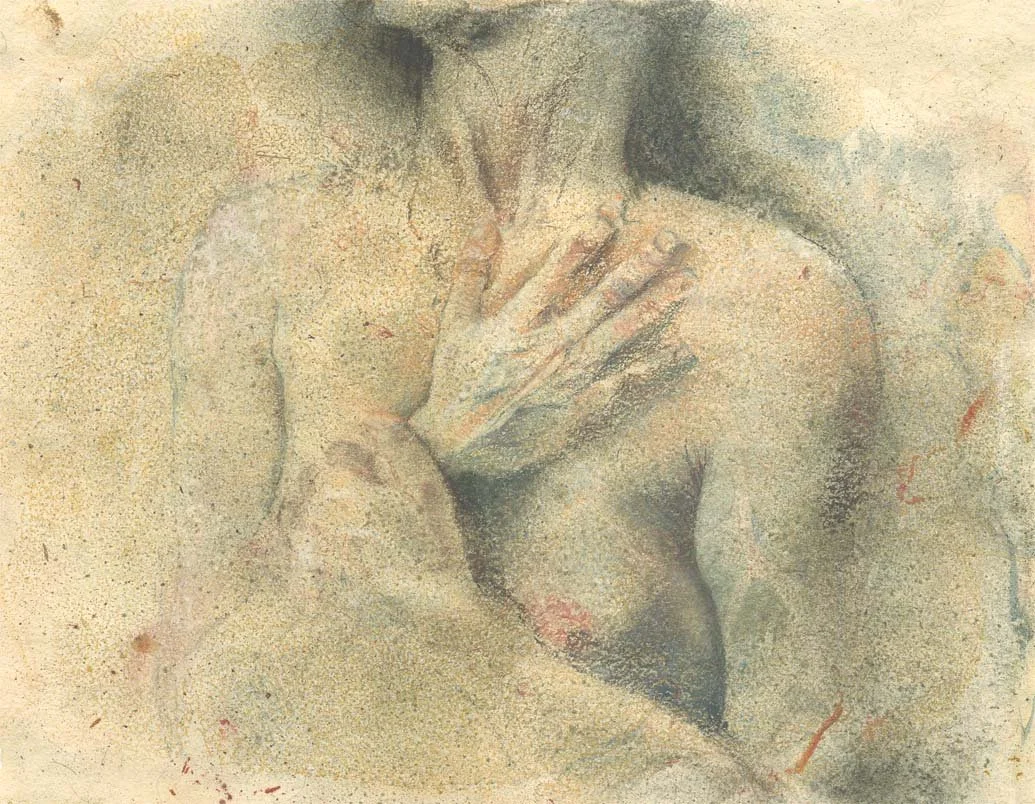
![Back from above [detail], 12.25 × 10 in., oils, bronze powder, charcoal, pastel and oil crayon on Linorg paper, 2003 Art looks beneath the surface of life, and for me the place to look has always been the body. When disability mad](https://images.squarespace-cdn.com/content/v1/5cfe8cbbe06973000145d58e/1560186576419-NU51PO4NEDGS0S5PCK18/back_from_above-detail.jpg)
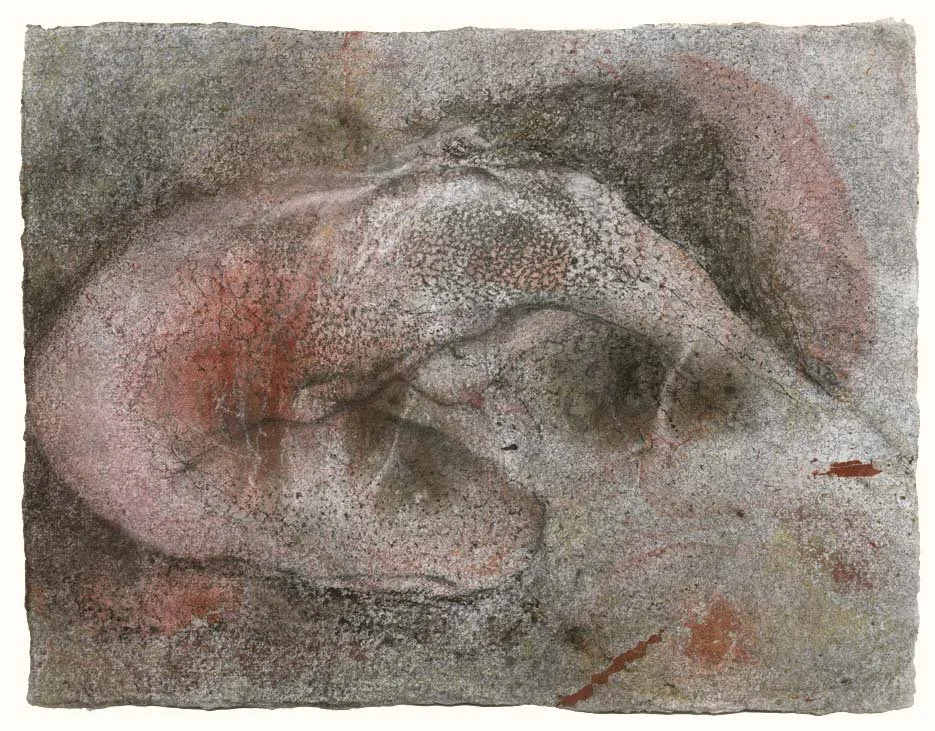
![Double hands, clasping (brown-pink) [detail], 10.5 x 8.75 in., Twinrocker Yale, 2017](https://images.squarespace-cdn.com/content/v1/5cfe8cbbe06973000145d58e/1560186573016-D99QBV6IQ7U27AEF7R4O/brown-pink-double_hands-crop.jpg)
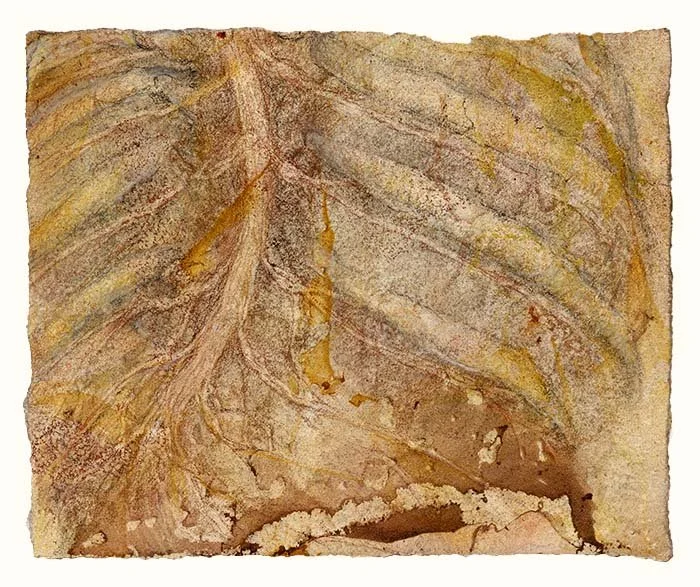
![Spinal cord (cauda equina) with nerve roots [detail], 6.5 x 8.5 in., charcoal on Twinrocker Rotunda, 2011 Drawing connects me to the ongoing work of balancing – to the consciousness, and even the creativity, of the body itself. I ground my](https://images.squarespace-cdn.com/content/v1/5cfe8cbbe06973000145d58e/1560186573416-PEDVT34SPI5GOKAOGOQB/spinal_cord_w_nerve_roots-detail.jpg)
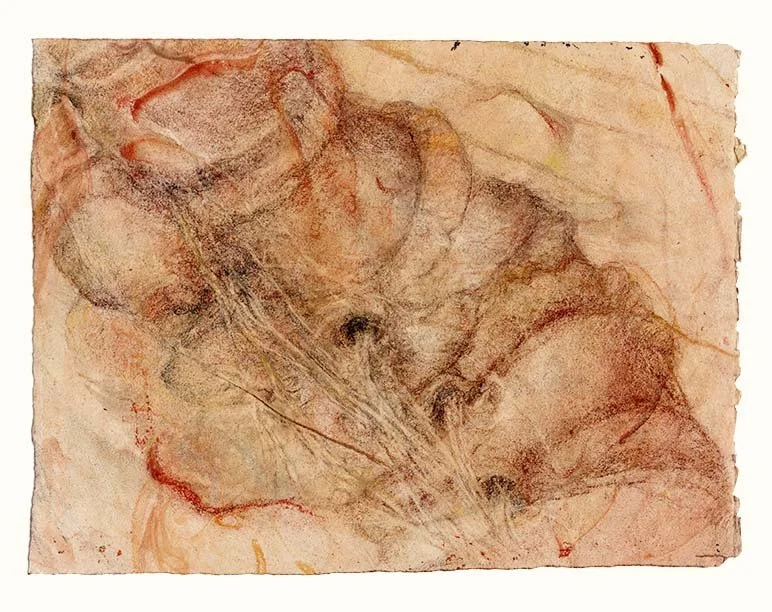

![Spinal nerve landscape (#1) [detail], 11 x 7.75 in., Twinrocker, 2016](https://images.squarespace-cdn.com/content/v1/5cfe8cbbe06973000145d58e/1560186576216-UR9XKHWE4BUPLSEK11HO/sp-nerves-closeup1-crop.jpg)
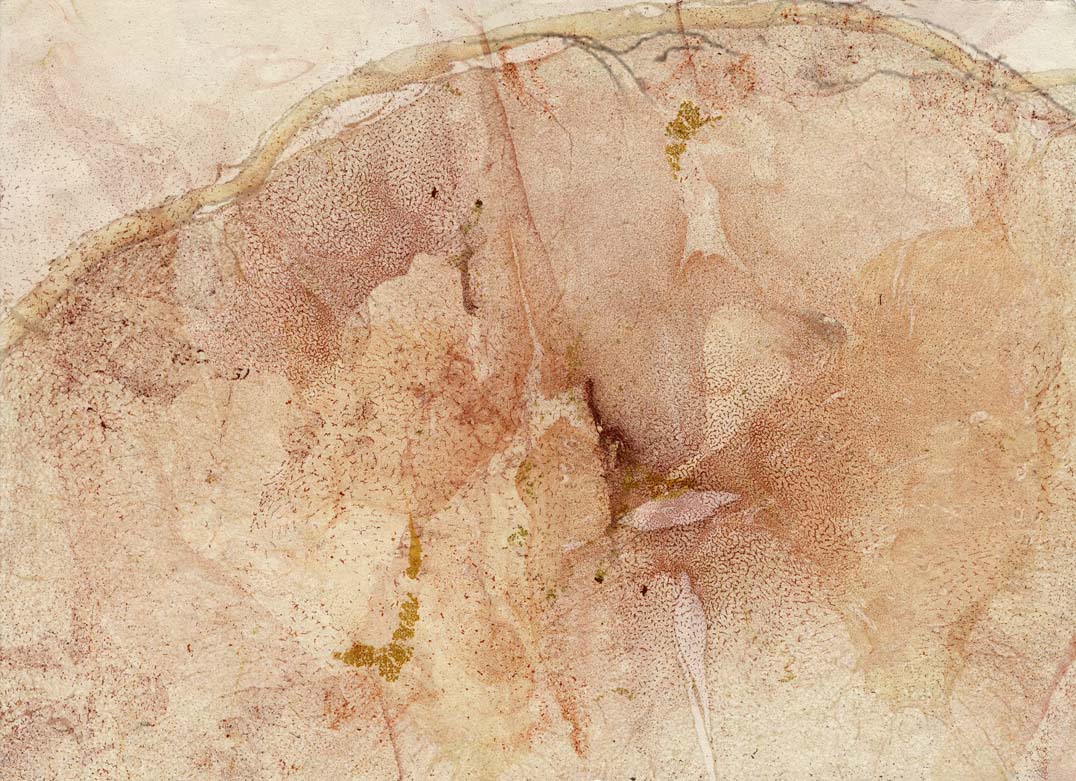
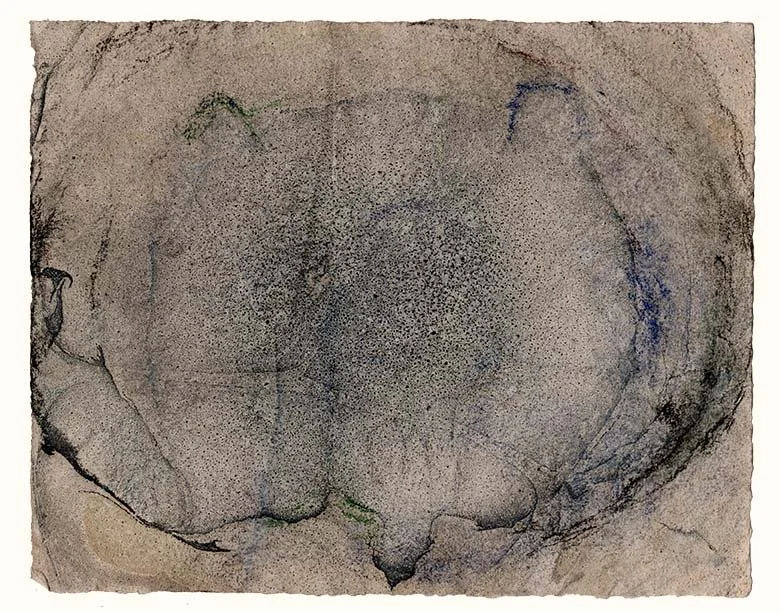
![Arbor vitae of the cerebellum (mauve crystalline) [detail], 11 x 6.75 in., Twinrocker Yale, 2018](https://images.squarespace-cdn.com/content/v1/5cfe8cbbe06973000145d58e/1756059731917-NOKOJTP7G36HCNJUBWRT/arborvitae%2Bmauve-crystalline-9f-detail.jpg)
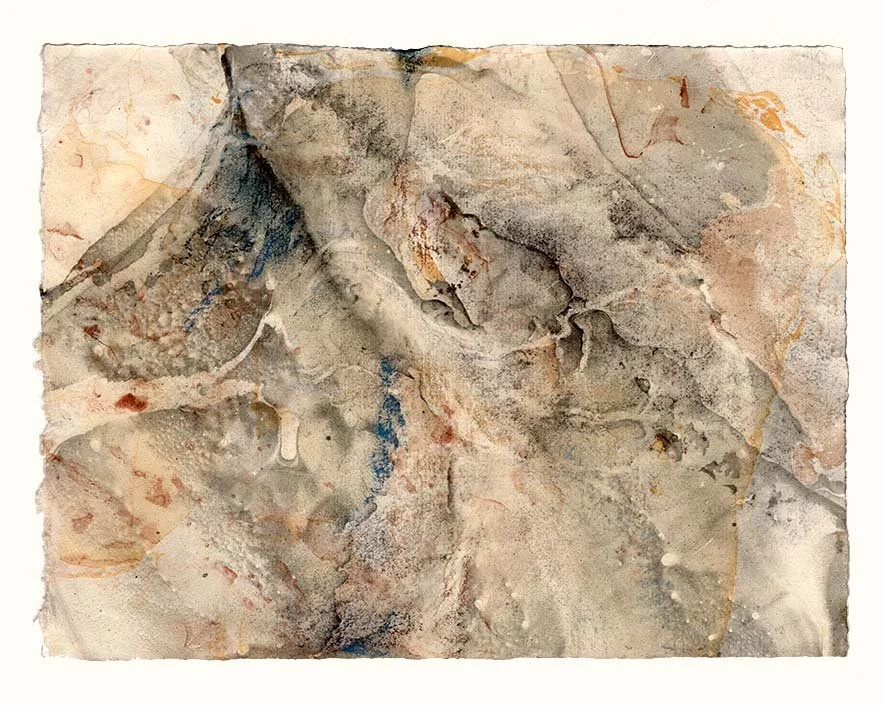
More about the drawings: media, paper, etc.
Overview of all the artwork