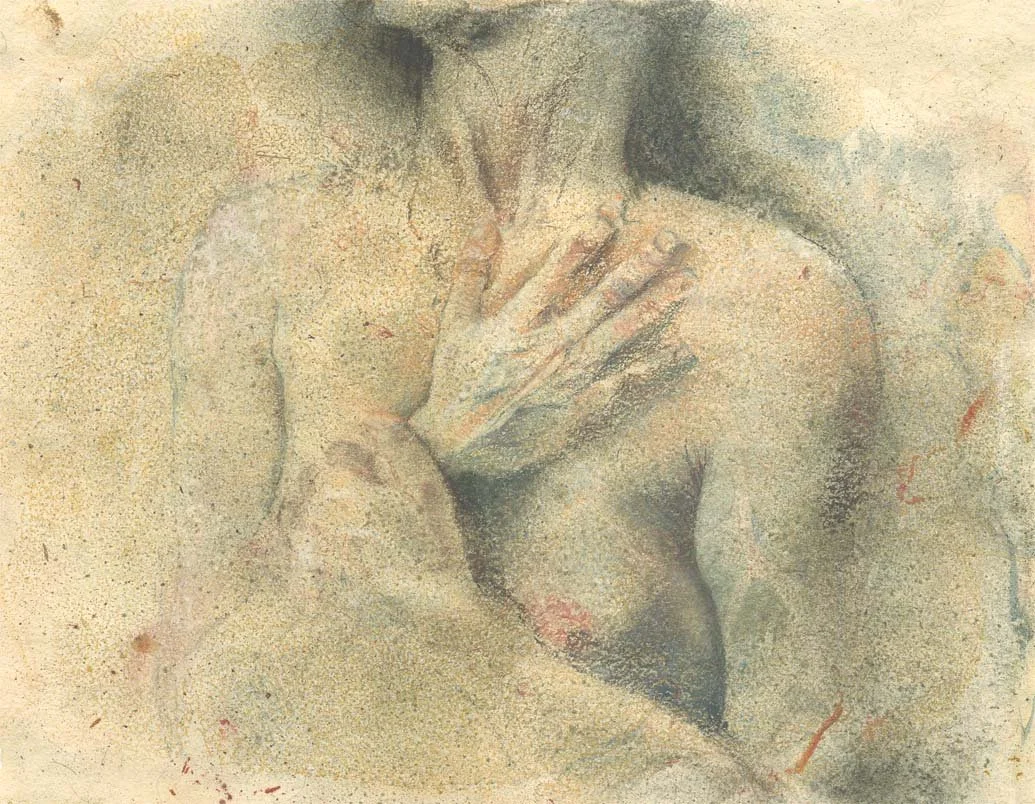
![Back from above [detail], 12.25 × 10 in., oils, bronze powder, charcoal, pastel and oil crayon on Linorg paper, 2003 Art looks beneath the surface of life, and for me the place to look has always been the body. When disability mad](https://images.squarespace-cdn.com/content/v1/5cfe8cbbe06973000145d58e/1560186576419-NU51PO4NEDGS0S5PCK18/back_from_above-detail.jpg)
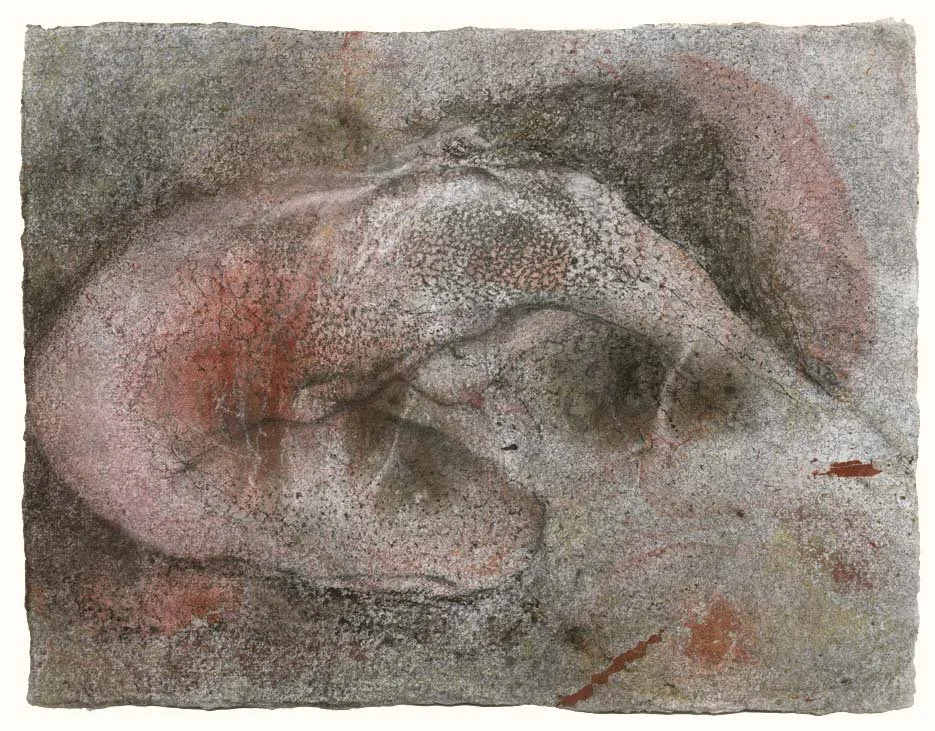
![Double hands, clasping (brown-pink) [detail], 10.5 x 8.75 in., Twinrocker Yale, 2017](https://images.squarespace-cdn.com/content/v1/5cfe8cbbe06973000145d58e/1560186573016-D99QBV6IQ7U27AEF7R4O/brown-pink-double_hands-crop.jpg)
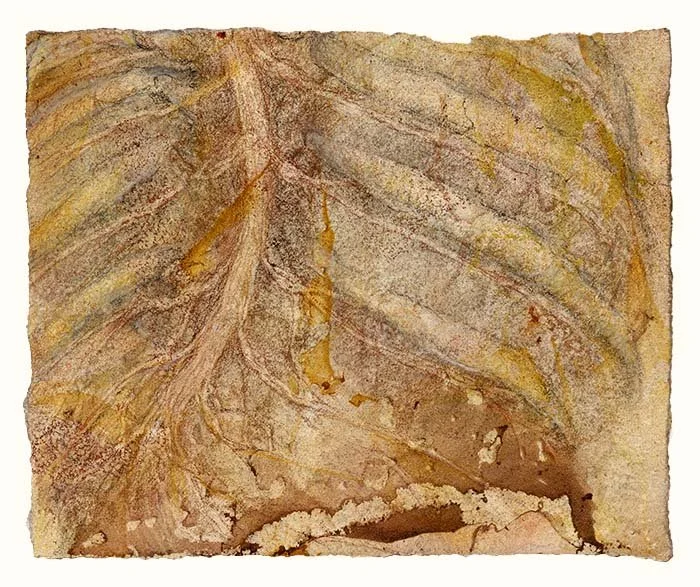
![Spinal cord (cauda equina) with nerve roots [detail], 6.5 x 8.5 in., charcoal on Twinrocker Rotunda, 2011 Drawing connects me to the ongoing work of balancing – to the consciousness, and even the creativity, of the body itself. I ground my](https://images.squarespace-cdn.com/content/v1/5cfe8cbbe06973000145d58e/1560186573416-PEDVT34SPI5GOKAOGOQB/spinal_cord_w_nerve_roots-detail.jpg)
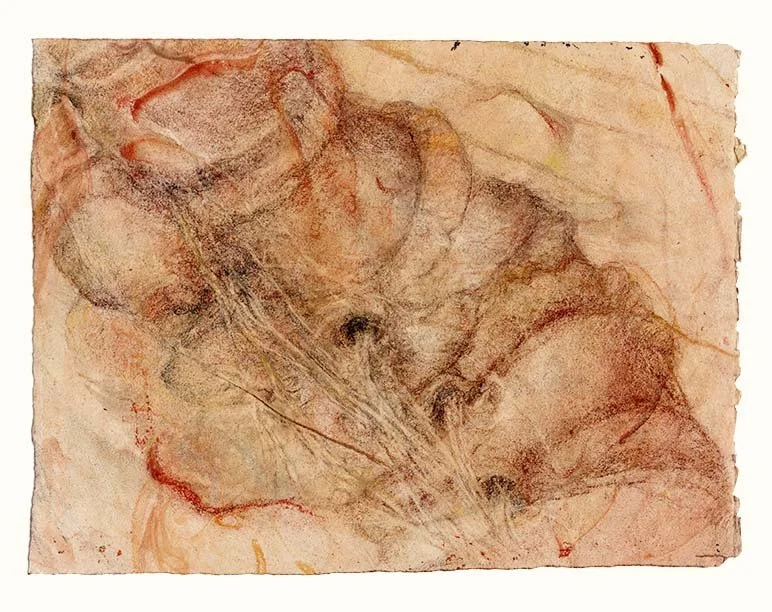

![Spinal nerve landscape (#1) [detail], 11 x 7.75 in., Twinrocker, 2016](https://images.squarespace-cdn.com/content/v1/5cfe8cbbe06973000145d58e/1560186576216-UR9XKHWE4BUPLSEK11HO/sp-nerves-closeup1-crop.jpg)
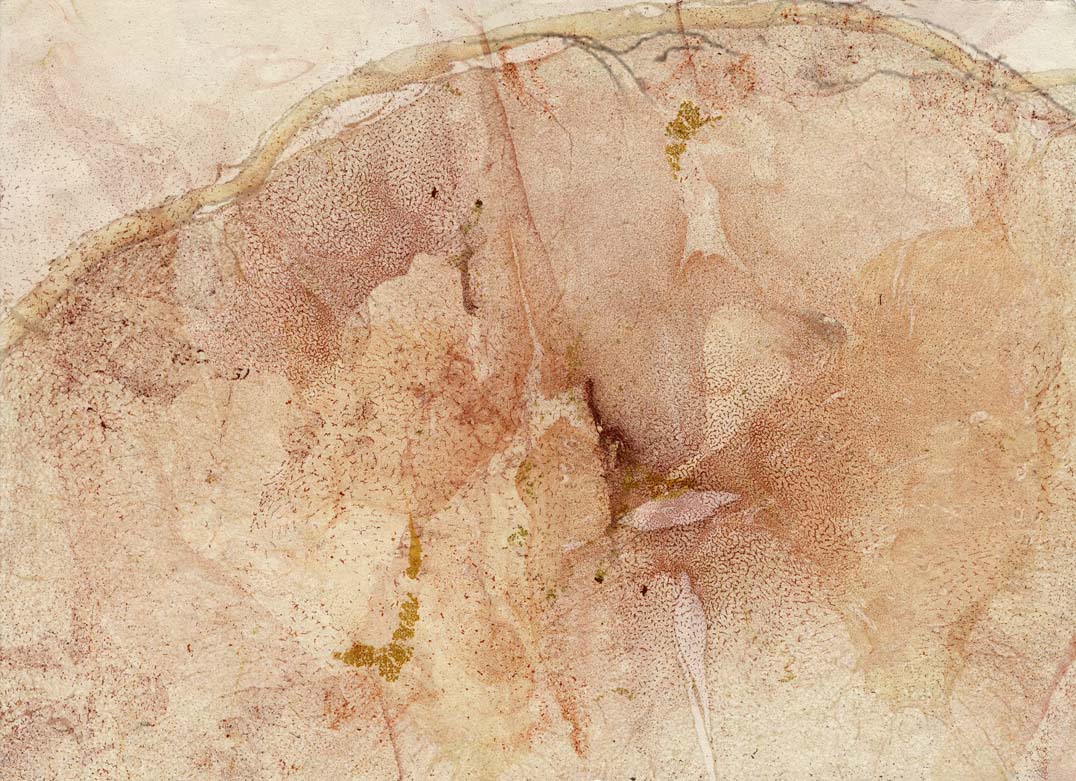
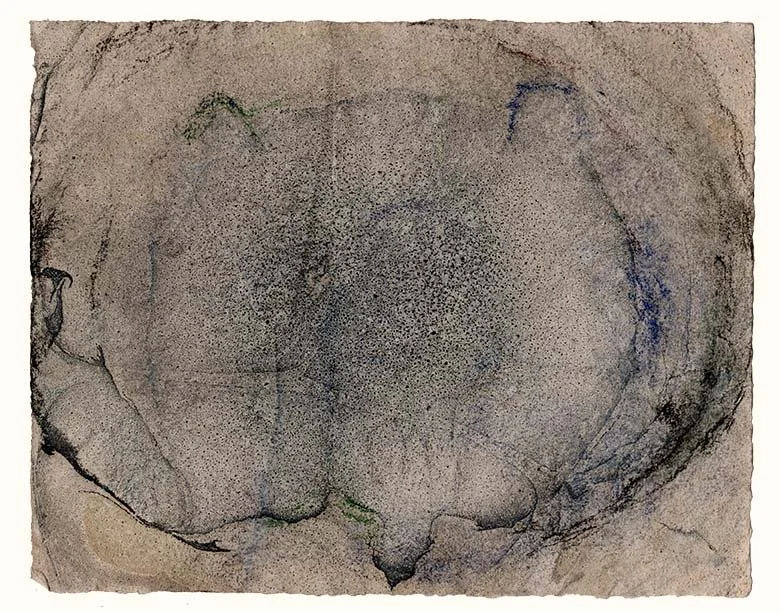
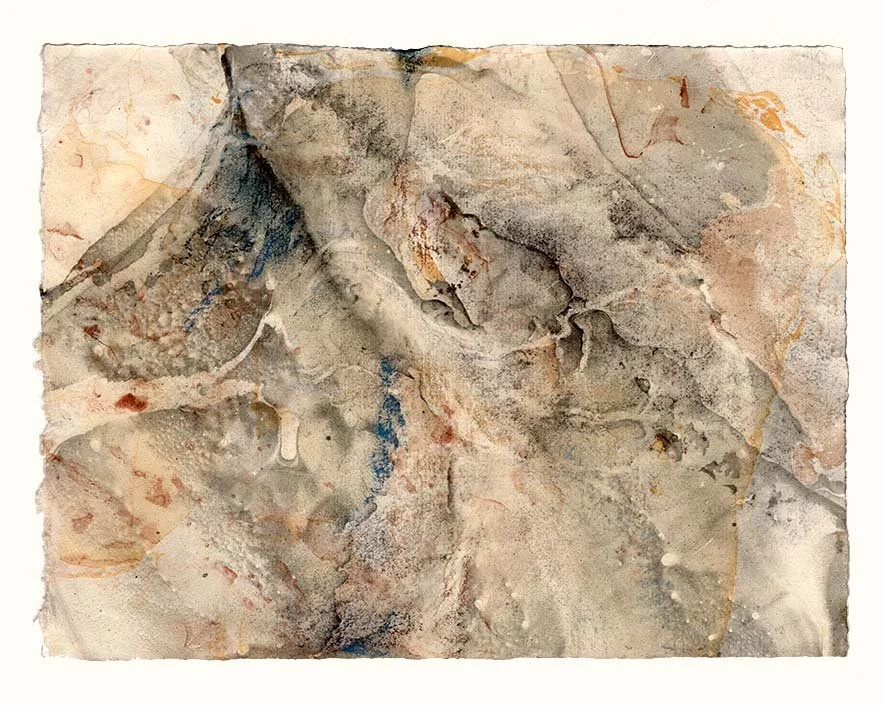
![Arbor vitae of the cerebellum (mauve crystalline) [detail], 11 x 6.75 in., Twinrocker Yale, 2018](https://images.squarespace-cdn.com/content/v1/5cfe8cbbe06973000145d58e/1756059731917-NOKOJTP7G36HCNJUBWRT/arborvitae%2Bmauve-crystalline-9f-detail.jpg)
/
1
2
3
4
5
6
7
8
9
10
11
12
13
·
·
·
·
·
·
·
·
·
·
·
·
·